


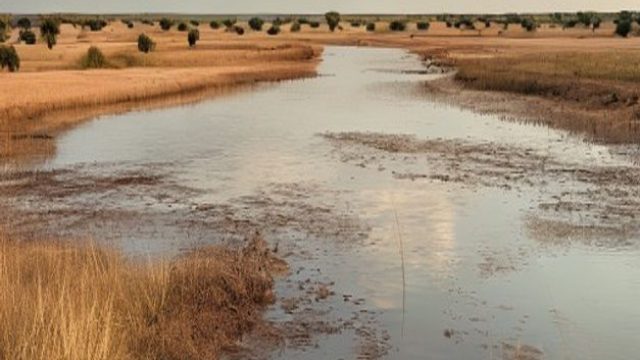
Urgent Report Highlights Climate Crisis Impact in Lake Chad Region
The Lake Chad Basin, a critical area for millions, is facing an unprecedented humanitarian crisis exacerbated by climate change. A recent report from the Norwegian Institute emphasizes the escalating conditions of insecurity, displacement, and fierce competition for dwindling natural resources across Cameroon, Chad, Niger, and Nigeria.
The Deepening Crisis: Climate Change and Conflict
According to the findings, climate change is not just a distant threat but a looming crisis that is actively reshaping the socio-political landscape of the Lake Chad region. The impact of rising temperatures and erratic weather patterns has resulted in significant environmental degradation, leading to a dire situation where agricultural productivity has plummeted, and livelihoods are under severe threat.
Insecurity on the Rise
As resources become scarcer, tensions among communities have intensified, manifesting in increased conflict and violence. Reports indicate a rise in clashes over water and arable land, pushing already vulnerable populations into further despair.
Humanitarian Impact: Displacement and Suffering
The repercussions of this crisis are felt acutely by millions. Displacement has surged, with many fleeing their homes to seek safety and sustenance in more stable areas. The humanitarian situation is dire, with more than 12 million people in need of urgent assistance across the region.
Challenges Faced by Humanitarian Aid Workers
- Increased violence against aid workers
- Logistical difficulties due to infrastructure damage
- Restricted access to those in need because of conflict zones
These challenges complicate efforts to provide life-saving support and exacerbate the already critical conditions on the ground.
Urgent Call for Action
The report underscores the need for immediate action to address both the humanitarian and environmental crises. By fostering collaboration among nations and investing in sustainable practices, there is hope for mitigating the adverse effects of climate change.
Key Recommendations
- Enhance cross-border cooperation to manage shared resources
- Implement sustainable agricultural practices to boost food security
- Increase funding for humanitarian programs targeting affected populations
Conclusion: A Path Forward
The challenges posed by climate change in the Lake Chad region are urgent and multifaceted. Addressing these issues requires a concerted effort from governments, NGOs, and the international community. Ensuring the safety and wellbeing of millions must remain a priority as we navigate these turbulent waters.